Primary Functions of a Manual Activator
Precise, Low‑Force Impulse Delivery
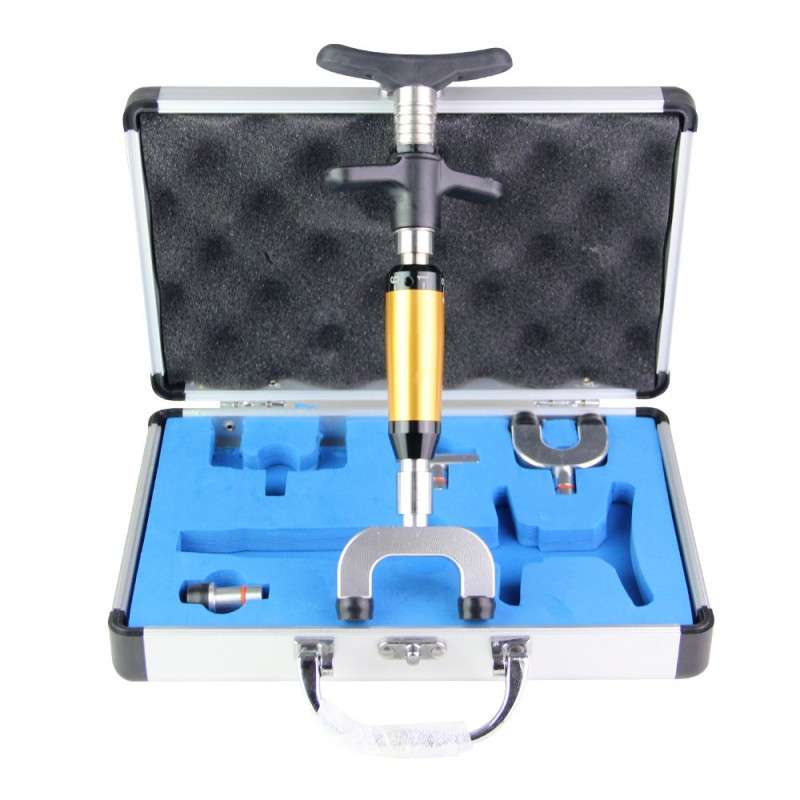
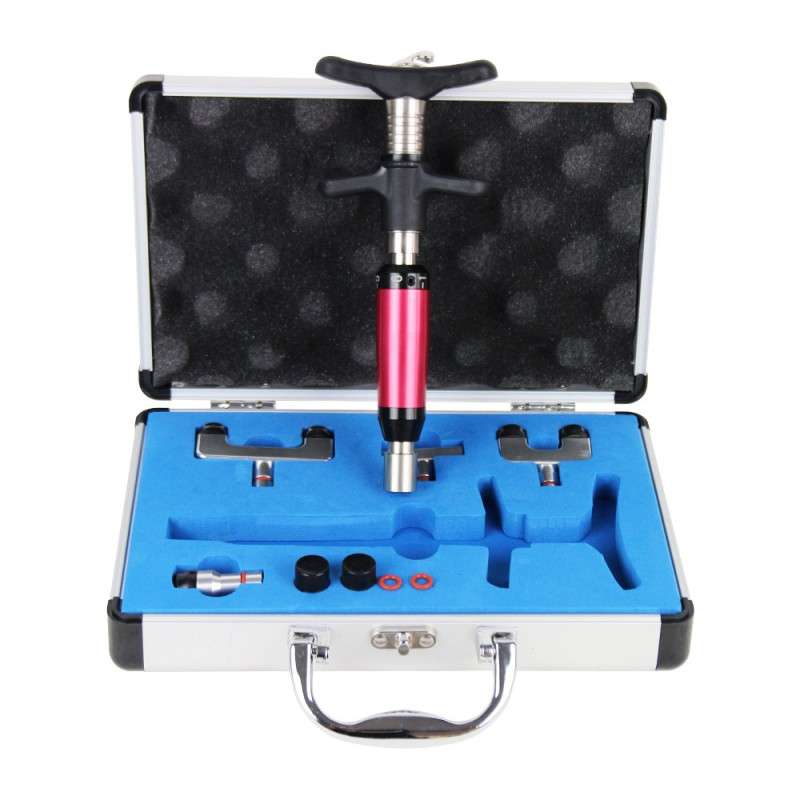
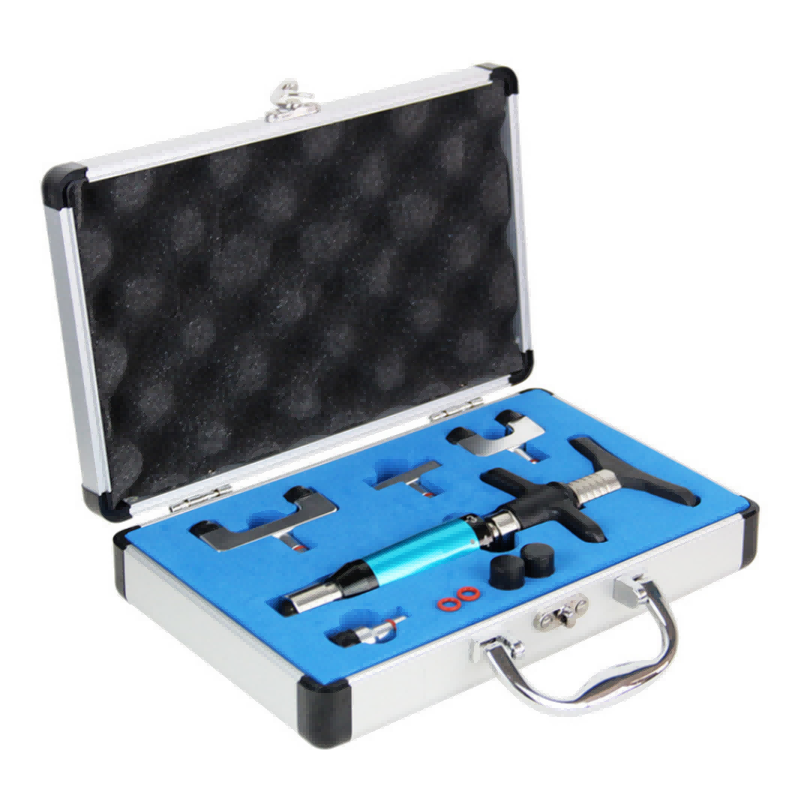
The instrument uses a spring mechanism that, when triggered, releases a rapid, localized thrust into a single vertebra or joint. This allows the chiropractor to target a specific dysfunction without affecting surrounding structures.
Consistent and Reproducible Mechanical Force
Because the spring‑loaded mechanism delivers a predictable impulse each time, the activator provides high consistency across multiple adjustments. Studies have quantified the force output of various activator models, showing that they produce similar peak forces across most excursion settings. This repeatability is particularly valuable for tracking patient progress and standardizing treatment.
Adjustable Force Settings
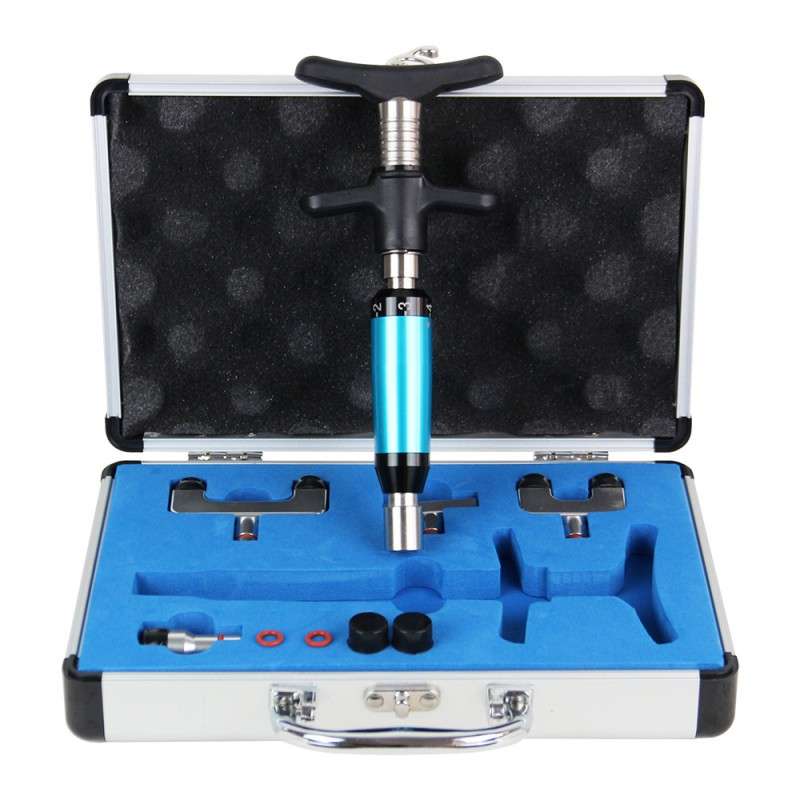
Most manual activator models offer multiple force settings (typically ranging from approximately 80–280 N), allowing the practitioner to tailor the intensity to the patient‘s condition, age, and tissue sensitivity. For example, lighter forces can be used on pediatric or geriatric patients, while stronger impulses may be appropriate for larger, more robust individuals.
Extremity and Small‑Joint Adjusting
Beyond spinal applications, the activator is highly effective for adjusting smaller joints of the extremities, including the wrists, elbows, shoulders, knees, collar bones, ribs, and even the temporomandibular joint (TMJ). The instrument’s small tip and localized force make it ideal for joints where manual manipulation might be awkward or uncomfortable.
Integration with a Comprehensive Assessment Protocol
In the Activator Method, the instrument is used in conjunction with a detailed clinical assessment that includes biomechanical tests, leg‑length analysis, and neurological checks. These evaluations guide the precise placement and application of the activator, ensuring that each impulse is delivered to the correct location at the appropriate time.